 Save
Save There's something almost magical about the simplicity of white bean dip—a dish that emerged from a quiet Tuesday evening when I had three ingredients and fifteen minutes. I'd opened the pantry looking for something quick to satisfy a late-afternoon hunger, and there they were: a tin of white beans, a wrinkled lemon, and good olive oil. What surprised me most wasn't how easy it came together, but how it became the thing I made for every gathering after that.
I remember bringing this dip to a potluck where someone had set out five elaborate appetizers, and somehow everyone kept coming back to the white bowl in the corner. My friend Sarah stood by it for ten minutes straight, testing different combinations with crackers and talking about how she'd been looking for something to make without dairy. That's when it clicked—this wasn't just easy, it was genuinely useful in ways I hadn't expected.
Ingredients
- White beans (cannellini or great northern): Two cups drained and rinsed—canned is perfectly fine and saves you hours. The starch they're packed in gets rinsed away so your dip stays silky, not gluey.
- Extra-virgin olive oil: A quarter cup, plus more for finishing. This is where quality matters; use the good stuff you'd drizzle on bread.
- Fresh lemon juice: About two tablespoons from one real lemon, not the bottled kind. The acidity wakes everything up and prevents the dip from tasting flat.
- Garlic cloves: Two, minced fine. Raw garlic has bite, so start with less if you're sensitive to it.
- Sea salt and black pepper: Half a teaspoon and a quarter teaspoon respectively—your baseline that you'll adjust by taste.
- Ground cumin: A quarter teaspoon optional, but it adds warmth and depth without announcing itself.
- Fresh parsley or chives: Two tablespoons chopped, for a bright finish and a whisper of fresh flavor.
Tired of Takeout? 🥡
Get 10 meals you can make faster than delivery arrives. Seriously.
One email. No spam. Unsubscribe anytime.
Instructions
- Combine and blend:
- Pour drained beans, minced garlic, olive oil, lemon juice, salt, and pepper into your food processor. Pulse at first, then blend continuously until the mixture transforms from chunky to completely smooth—usually about two minutes, though it depends on your machine's power.
- Taste and adjust:
- Stop the processor and try a spoonful. This is when you add more lemon if it needs brightness, more salt if it tastes flat, or another glug of olive oil if it feels too thick.
- Add optional flavors:
- Stir in cumin or fresh herbs now if you're using them, because blending them in can make them taste almost medicinal—better to fold them in gently and let them stay fresh.
- Finish and serve:
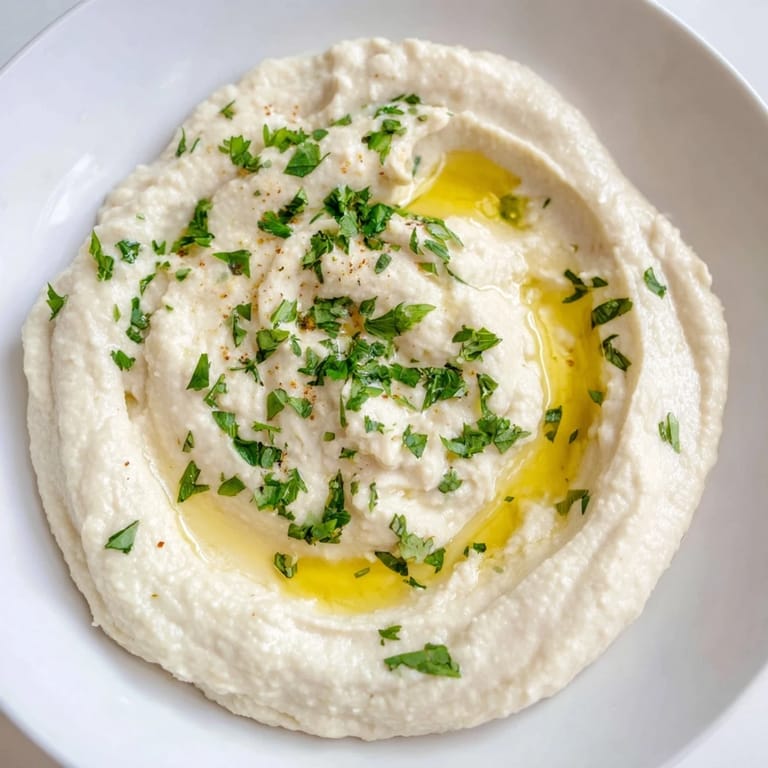
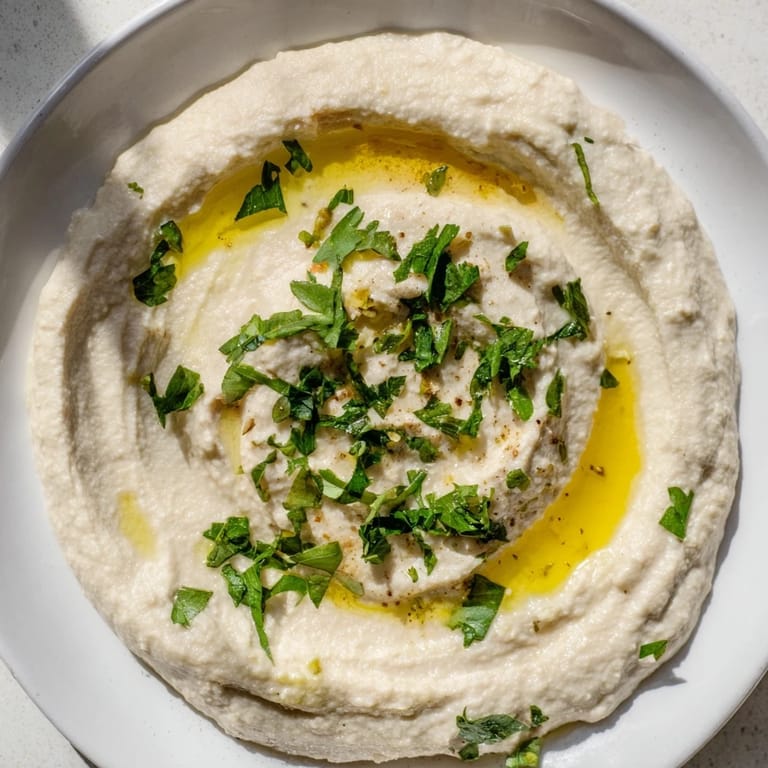
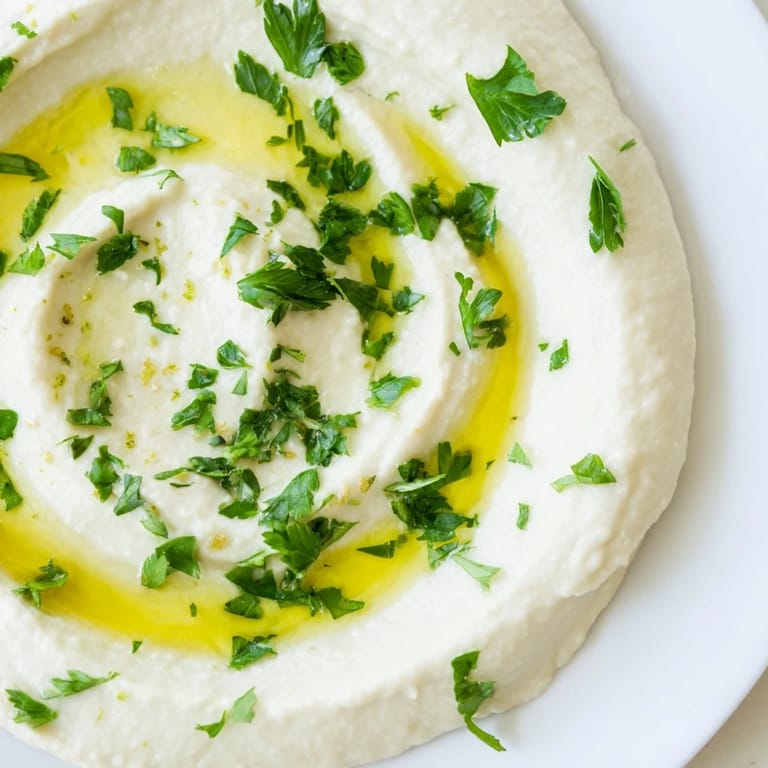
- Scoop the dip into a shallow bowl, create a little well in the center with the back of a spoon, and pour a final swirl of olive oil into it. Scatter herbs on top and serve with pita wedges, raw vegetables, or good crackers.
 Save
Save The moment I understood why this dip mattered was when a neighbor brought her teenage daughter over, and the girl actually asked for the recipe instead of just eating it politely. She'd grown up thinking healthy dips meant spreadable sadness, and suddenly she understood that real food could be both good for you and genuinely delicious. That afternoon taught me something about how the simplest things often hit hardest.
How to Make It Your Own
The beauty of this dip is its flexibility—it's a canvas that welcomes additions without demanding them. Some mornings I add a spoonful of tahini for nuttiness and body, which transforms it into something almost hummus-like. Other times I've stirred in a touch of smoked paprika or even a few sun-dried tomatoes, and it slides into a different mood entirely without losing its essential self.
Storage and Serving Ideas
This dip keeps in the refrigerator for about five days in a sealed container, though I've never had it last that long once guests know it's there. You can thin it with water to create a silky salad dressing, or spread it thick between bread as a sandwich base that holds up better than mayo. It pairs beautifully with crisp white wines like Sauvignon Blanc, and the acidity cuts through the richness in a way that makes you want to keep reaching for both.
Final Thoughts and Variations
White bean dip has taught me that the best recipes are the ones you stop overthinking and just make. Every time you blend it, you're building muscle memory for what smooth really feels like, and taste memory for how lemon and salt dance together. You'll start to know exactly how much garlic your mouth wants, and that knowledge carries forward into everything you cook.
- For an ultra-smooth texture, peel the beans after draining them—it takes five extra minutes but creates a restaurant-quality result.
- If you're bringing this to a potluck, pack the dip and olive oil separately, then assemble it just before serving so the herbs stay bright and the drizzle glistens.
- Keep the food processor bowl handy for a second batch because there's always someone who sneaks back for another spoonful and suddenly you're out.
 Save
Save This dip has quietly become one of those recipes I make without checking the recipe anymore, the kind where your hands know the proportions and your mouth remembers the taste. That's when you know something simple has become essential.
Recipe Questions & Answers
- → What beans work best for this dip?
Cannellini or great northern beans are ideal for their creamy texture and mild flavor that blend smoothly.
- → Can I add herbs to enhance the flavor?
Yes, fresh parsley or chives add a bright, fresh note when blended or sprinkled on top just before serving.
- → Is olive oil necessary in the mixture?
Extra-virgin olive oil adds smoothness and richness, balancing the garlic and lemon elements effectively.
- → How can I achieve a smoother consistency?
Peeling the beans before blending or using a high-powered food processor helps create a velvety texture.
- → What are good serving suggestions?
Serve with pita bread, fresh vegetables, or crackers for a satisfying snack or appetizer option.