 Save
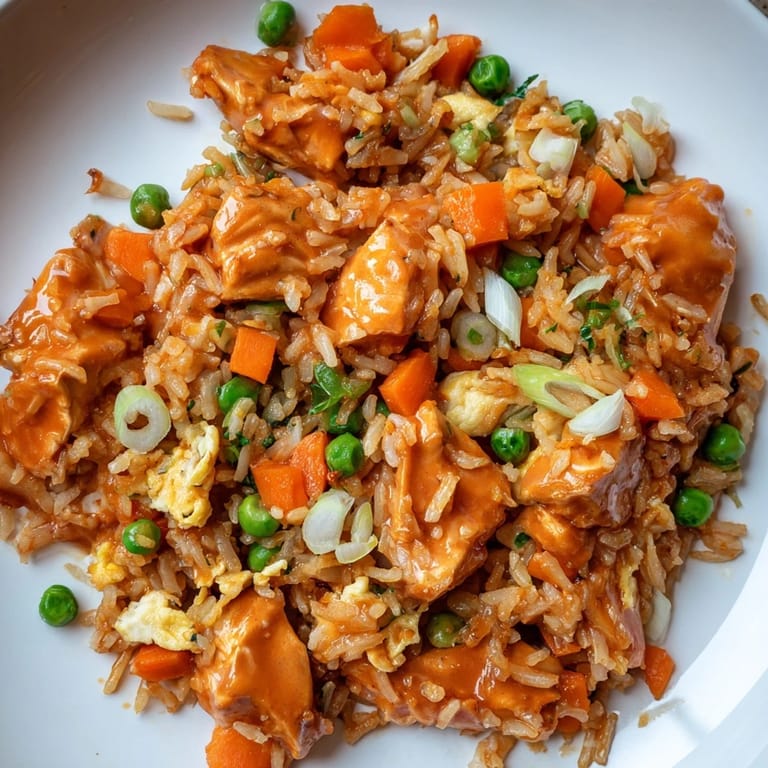
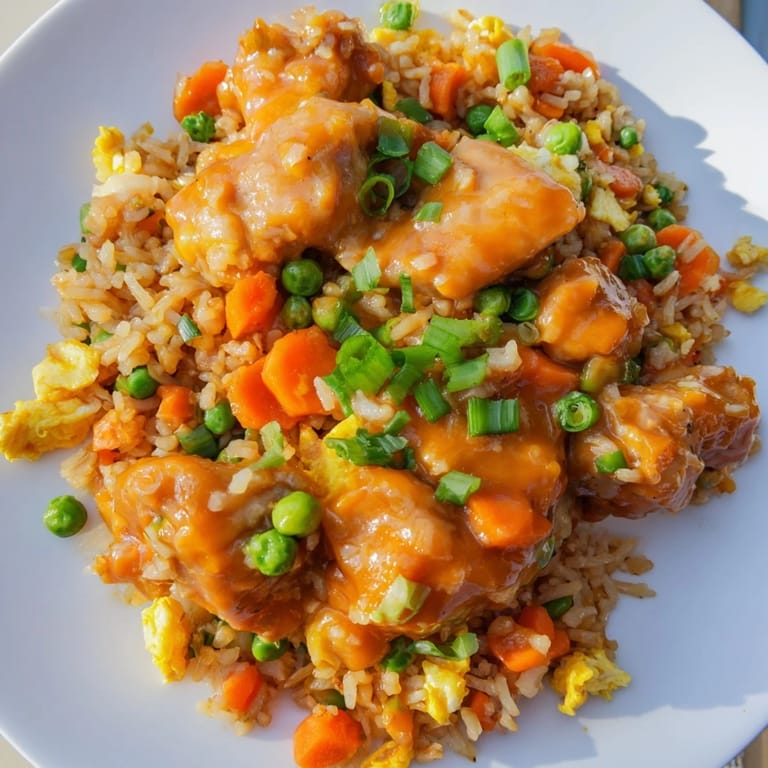
Save There's something almost magical about opening the fridge on a Tuesday night and realizing you have just enough leftover butter chicken to transform into something entirely new. I'd made the curry the weekend before, and it had been sitting there, quietly waiting for its second act. That evening, I stood there staring at three cups of cold rice and that container of creamy, spiced chicken, and suddenly the idea came to me: why not marry these two worlds together? The result was this butter chicken fried rice—a dish that tastes like it took hours but comes together in the time it takes to set the table.
I made this for my sister on a rainy Sunday when she stopped by unannounced, and the speed at which it came together genuinely impressed her. She sat at the counter watching the whole thing happen in the wok, the kitchen filling with that toasty, buttery-spiced aroma, and by the time she'd poured two glasses of wine, dinner was ready. That's when I knew this recipe was something special—not because it was complicated, but because it made ordinary leftovers feel like I'd actually planned something thoughtful.
Ingredients
- Leftover butter chicken (2 cups): Use boneless pieces if you have them—they distribute more evenly through the rice and are easier to eat. The sauce is just as important as the chicken, so don't drain it away.
- Cooked rice (3 cups, day-old and cold): This is crucial; cold rice grains separate beautifully when fried, while warm rice clumps together. If you only have fresh rice, spread it on a plate and let it cool completely first.
- Frozen peas (1/2 cup) and diced carrots (1/2 cup): These add color and texture. Frozen vegetables work perfectly here because they thaw while cooking without turning mushy.
- Onion (1 small, finely chopped) and green onions (2, sliced): The regular onion becomes sweet and soft in the heat, while green onions stay fresh and bright, added at the end for that pleasant crunch.
- Soy sauce (2 tablespoons): This anchors the whole dish, bringing salty umami that ties the butter chicken and rice together. Use tamari or coconut aminos if you need gluten-free.
- Tomato paste (1 tablespoon, optional): A small amount deepens the color and adds subtle sweetness that balances the salty and spiced elements.
- Garam masala (1/2 teaspoon, optional): This keeps the Indian spice profile going and prevents the dish from tasting too much like standard fried rice.
- Unsalted butter (2 tablespoons total) and vegetable oil (1 tablespoon): The combination gives you a high enough smoking point while adding that richness only butter provides.
- Eggs (2 large, lightly beaten, optional): Scrambled eggs add protein and a slightly custardy texture that works beautifully with the creamy butter chicken.
Tired of Takeout? 🥡
Get 10 meals you can make faster than delivery arrives. Seriously.
One email. No spam. Unsubscribe anytime.
Instructions
- Set everything up first:
- This is the golden rule of wok cooking—everything moves fast once heat hits the pan. Chop your onions, measure your sauce ingredients, beat your eggs if using them, and have the rice broken up and ready to go. A two-minute pause now saves you from scrambling later.
- Get your pan screaming hot:
- Heat vegetable oil and 1 tablespoon of butter in your wok or large skillet over medium-high heat until the butter foams and smells toasty. You want it hot enough that when you add the onion, it sizzles immediately.
- Soften the aromatics:
- Add your chopped onion and diced carrots, stirring constantly for 2-3 minutes until the onion becomes translucent and the carrots start to soften. You'll notice the kitchen suddenly smells like a proper dinner is happening.
- Scramble the eggs (if using):
- Push the vegetables to the side of the pan, pour in your beaten eggs, and let them sit for just a moment before scrambling them gently. Once they're nearly set but still slightly creamy, toss everything together so the eggs break into small, tender pieces throughout.
- Add the rice and heat it through:
- Dump in your cold rice, breaking up any clumps with your spatula as it hits the heat. Keep stirring for 2-3 minutes until the rice is hot and every grain is separated and moving freely in the pan.
- Introduce the butter chicken and peas:
- Pour in your leftover butter chicken with all its sauce, add the frozen peas and sliced green onions, then stir in the tomato paste if you're using it. Keep the heat high and stir constantly to coat everything evenly, about 3-4 minutes.
- Season and finish:
- Add your soy sauce, garam masala if using it, and season with salt and pepper to taste. Toss the final tablespoon of butter in at the end—it melts into the warm rice and adds a final layer of richness that tastes almost indulgent.
- Taste and adjust:
- Give it a quick taste. You might need another pinch of salt, a splash more soy sauce, or a crack more pepper depending on your particular leftover curry. Trust your instincts.
- Serve immediately:
- Divide into bowls or plates while everything is still steaming, garnish with extra sliced green onions, and get it to the table while the rice is still hot and the flavors are at their brightest.
 Save
Save My mom called while I was eating this alone at the kitchen counter one night, and I ended up describing each bite to her over the phone—how the buttery, spiced sauce clung to every grain, how the crispy bits of rice mingled with soft peas and tender chicken. She laughed and said it sounded like I'd figured out how to make leftovers into something better than the original meal. That conversation changed how I think about cooking with what's already in my kitchen.
Why Cold Rice Changes Everything
I learned this lesson the hard way the first time I tried fried rice with warm rice straight from the pot. The heat made all the grains stick together into dense clumps, and no amount of stirring could separate them. After that disaster, I started planning ahead, cooking rice the day before and letting it chill overnight in the fridge. Cold rice doesn't absorb moisture the way warm rice does, so it stays light and individual when it hits the hot pan. Now I actually make extra rice just to have it ready for moments like this—those nights when dinner needs to happen in under 30 minutes.
The Art of Not Overcrowding the Pan
There's a real temptation to throw everything in at once and let it all cook together, but the magic of good fried rice is in the order. Each ingredient needs its own moment in the heat—the onion and carrot benefit from a head start, the eggs need space to set, and the rice needs time to warm and separate before you add the wetter elements. I think of it like introducing people at a party; you don't throw everyone into a corner at once. You let some conversations start, then gently bring in the next group. The result is a dish where every component tastes intentional and distinct instead of blended into sameness.
Making It Your Own
The beauty of this dish is that it's built on a template, not a rulebook. I've made it with leftover tandoori chicken, added fresh mint and cilantro, stirred in coconut milk for creaminess, or thrown in whatever vegetables needed to leave my fridge. One night I added roasted cashews at the very end, and the crunch completely changed the texture. Another time, a friend added a drizzle of sesame oil right before serving, and suddenly it tasted like a cross between Indian and Asian takeout in the best way possible. The only real rules are: use cold rice, keep the heat high, and taste as you go.
- Try adding a handful of fresh cilantro or mint leaves in the final minute for brightness.
- A drizzle of sesame oil or chili oil right before serving adds complexity without overwhelming the dish.
- Roasted cashews, peanuts, or toasted sesame seeds can turn this into a more textured, elegant dish if you're serving guests.
 Save
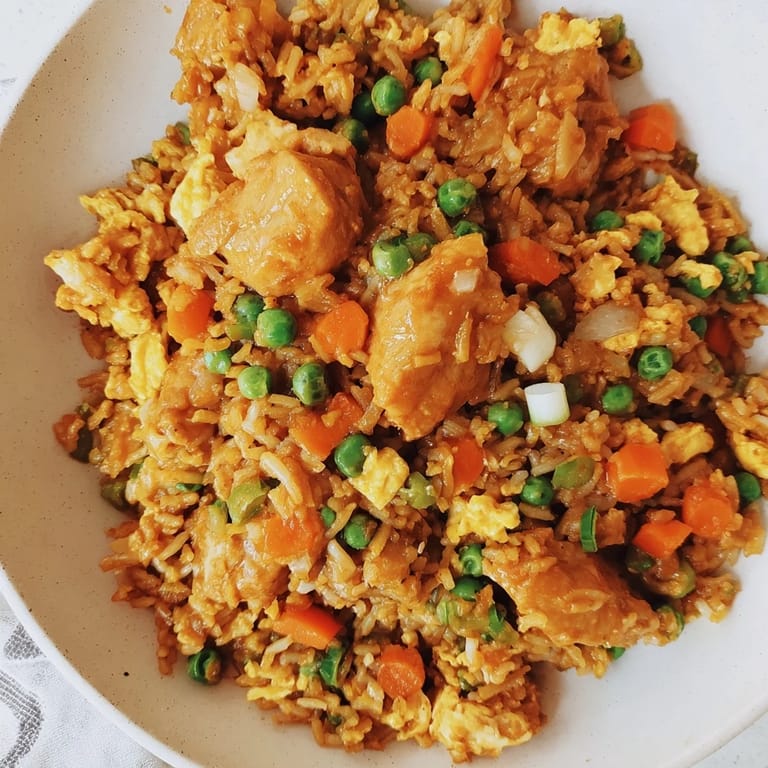
Save This dish has become my favorite way to turn Sunday curry into Monday dinner. It's the kind of food that doesn't feel like leftovers because it tastes too delicious, too intentional, too genuinely satisfying to be anything but a meal I meant to make.
Recipe Questions & Answers
- → Can I use fresh chicken instead of leftovers?
Yes, freshly cooked chicken can be used; simply dice and incorporate it during the final stir-fry step to maintain tenderness.
- → Which rice works best for this dish?
Day-old basmati or jasmine rice is ideal as it remains firm and prevents clumping during stir-frying.
- → How can I add more heat to the dish?
Incorporate chopped green chilies or a splash of chili sauce while stir-frying for an extra spicy kick.
- → Is it necessary to include eggs?
Eggs are optional; they add richness and texture but can be omitted for a lighter version.
- → What oils are recommended for stir-frying?
Use vegetable oil combined with butter to achieve both a high smoke point and a rich, creamy flavor.